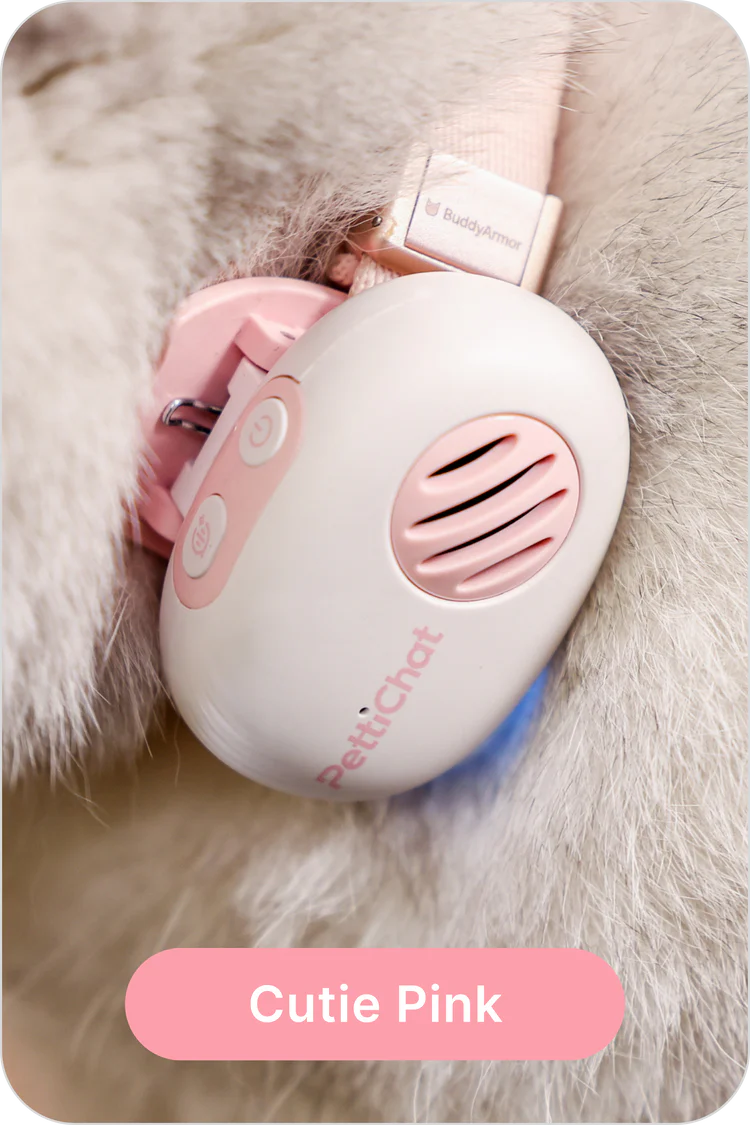
How PettiChat translates barks and meows to text in 1.2 seconds

PettiChat uses a three-stage pipeline to convert your pet's vocalizations into human-readable translations on your phone.
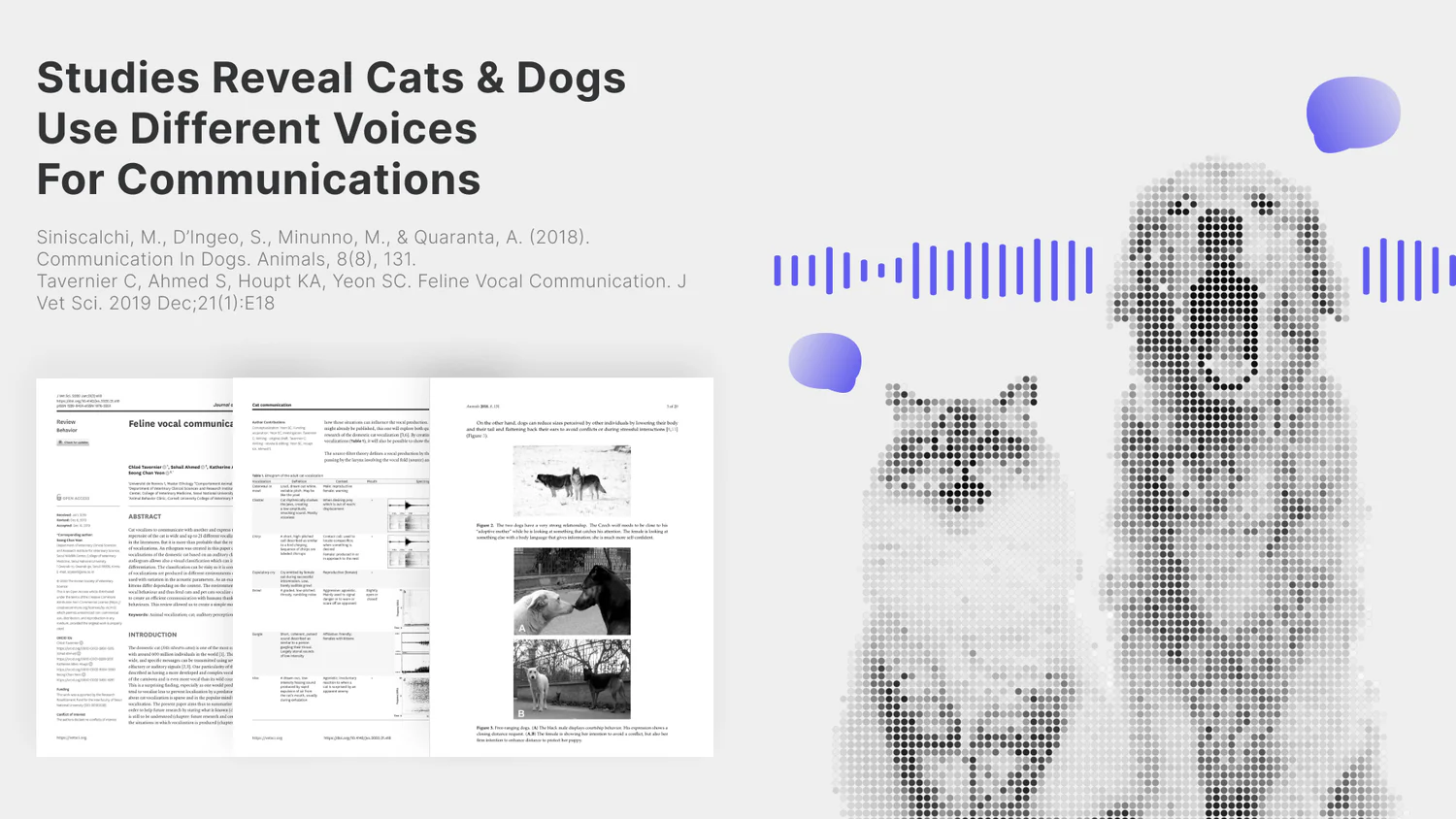
PettiChat sound capture technology

Stage 1: Capture

Built-in high-sensitivity microphones record your pet's vocalizations — barks, meows, growls, whines, purrs. Simultaneously, accelerometers and motion sensors track body movements, posture changes, and activity levels.
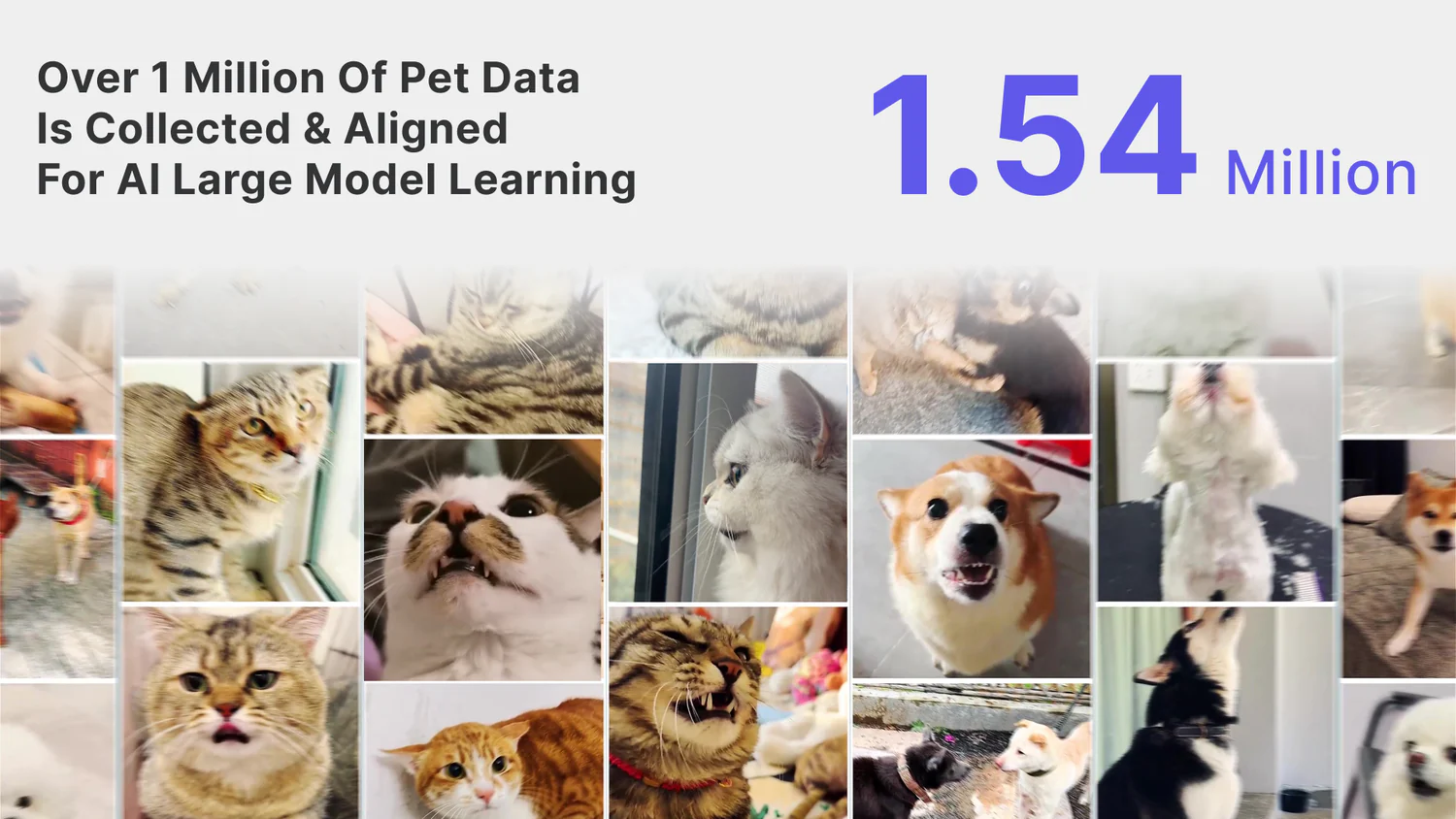
PettiChat AI processing

Stage 2: AI Processing

The raw data is processed by the PETTI AI model — a hybrid device-cloud system. It analyzes acoustic patterns (pitch, frequency, duration, rhythm) combined with behavioral data to classify your pet's emotional state from 20+ recognized expressions.
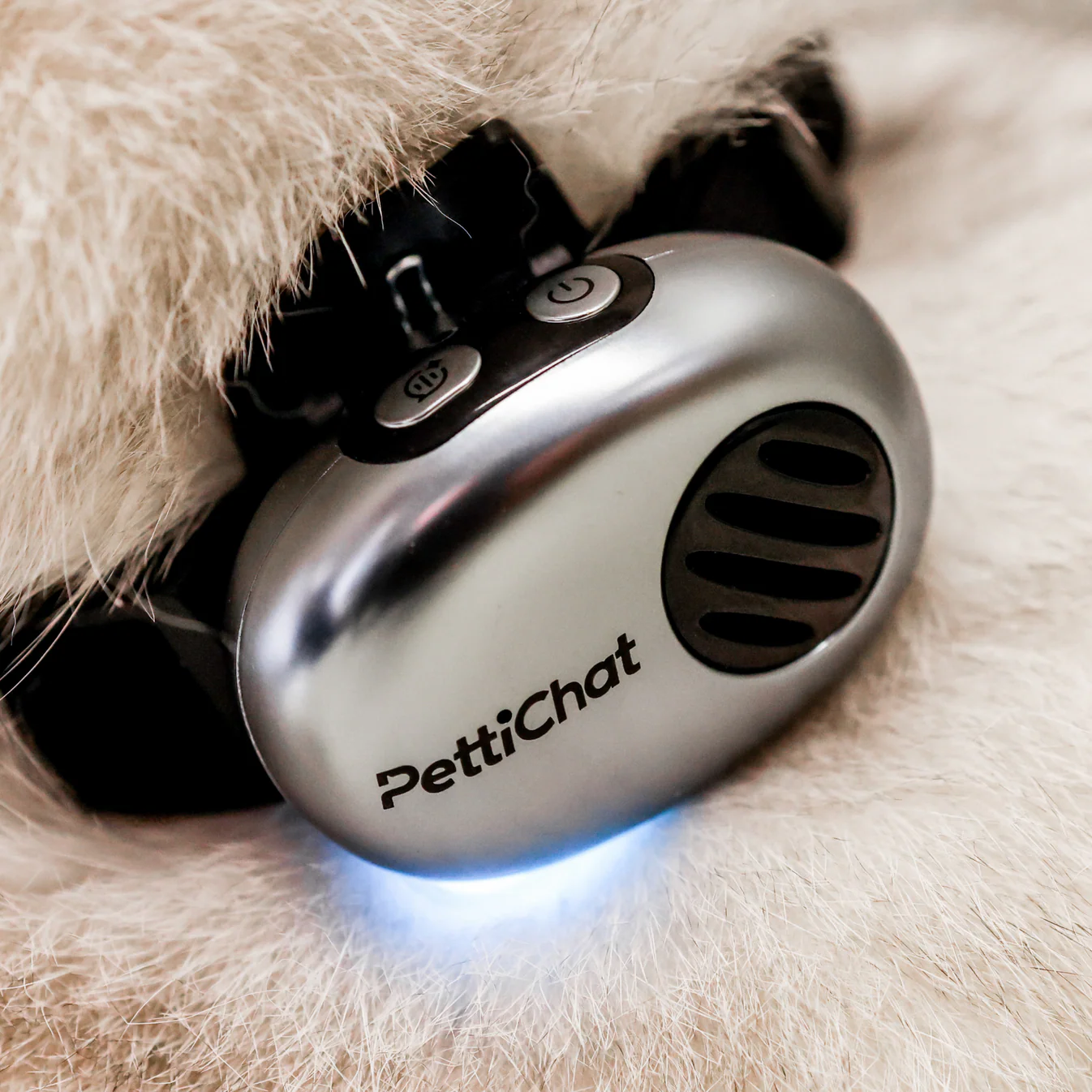
PettiChat app translation screen

Stage 3: Translation

The classified emotional state is converted into a natural-language sentence and displayed on your phone through the PettiChat app — all within approximately 1.2 seconds of your pet making a sound.
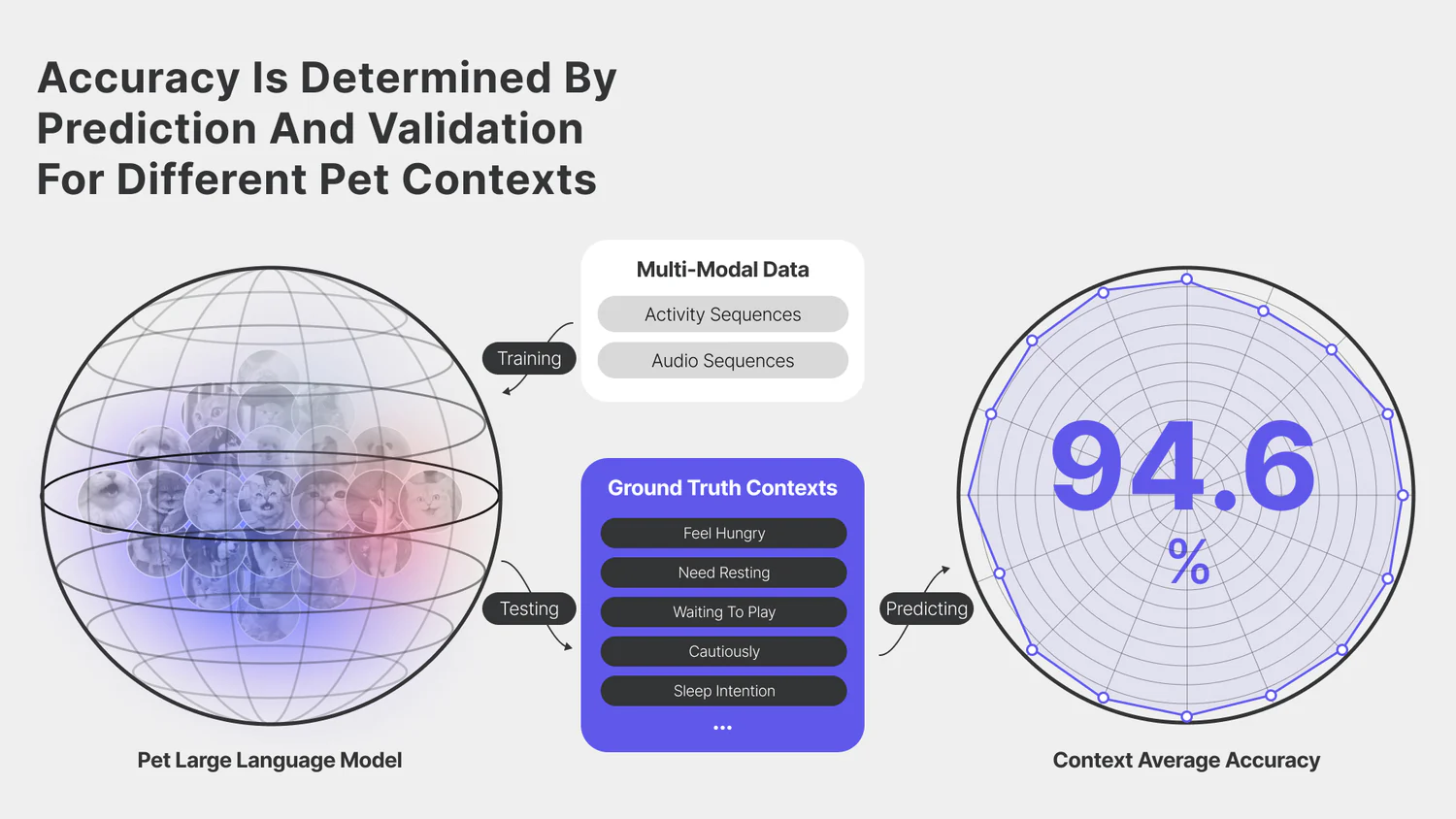
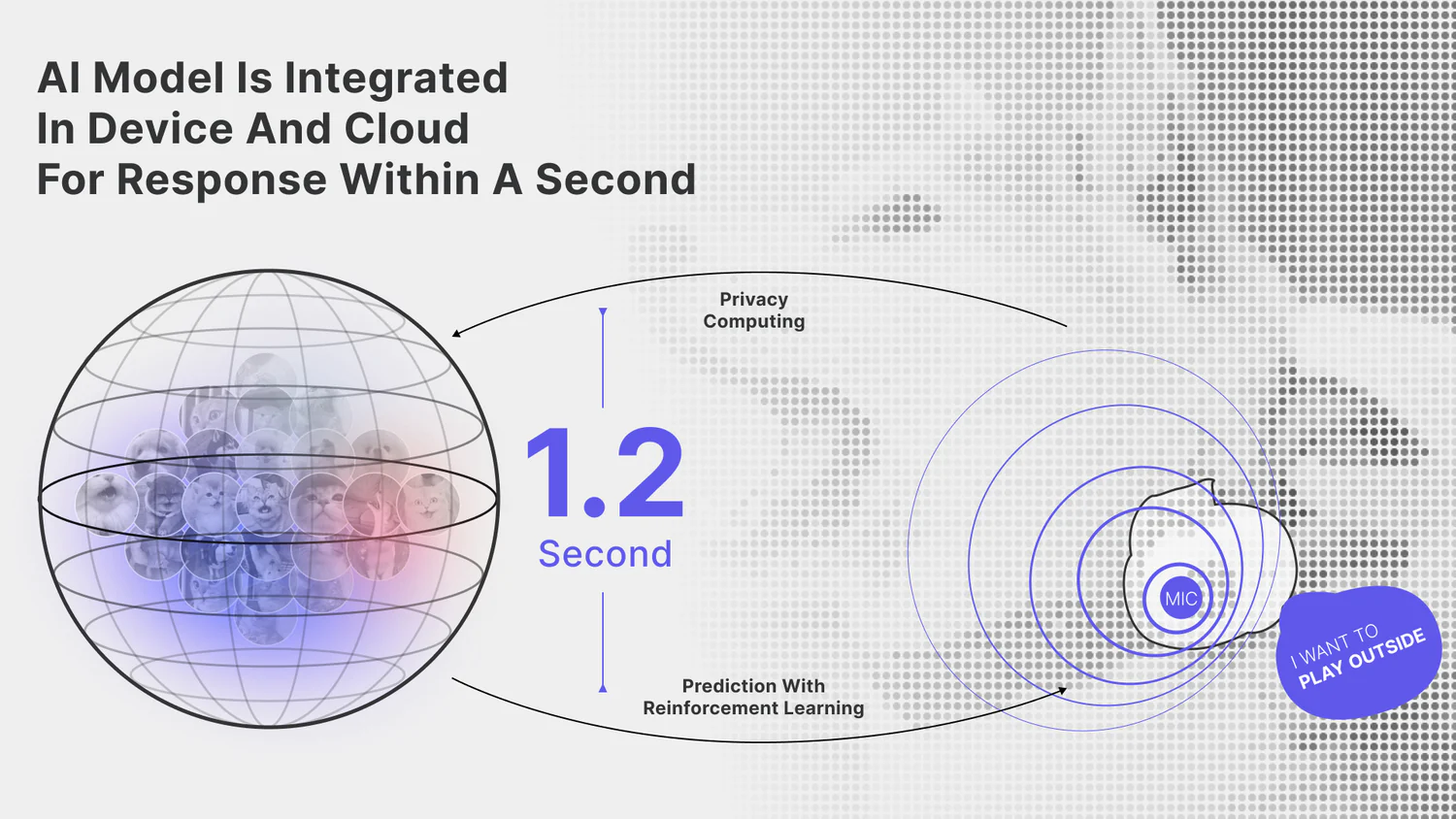
The PETTI AI model — Qwen-based pet translator powered by Alibaba Cloud

PETTI is the proprietary AI model that powers PettiChat's translation engine. It's built on top of Alibaba Cloud's Qwen large language model and fine-tuned specifically for animal vocalization analysis.

  • Trained on over 1.5 million pet vocal and behavioral samples
  • Built on Alibaba Cloud's Qwen foundation model
  • Recognizes 20+ distinct emotional expressions
  • Hybrid device-cloud architecture for speed and accuracy
  • Analyzes both audio (vocalizations) and motion (body language)
  • Continuously improved through aggregated anonymized data
PettiChat PETTI AI model technology

Who made PettiChat? Meng Xiaoyi pet translator company explained

Meng Xiaoyi () is the Hangzhou-based startup behind PettiChat. The name roughly translates to "cute little translator" — fitting for a company on a mission to bridge the communication gap between pets and people.

Founded

January 2026, Hangzhou, China. Also operates from an office in Causeway Bay, Hong Kong.

Mission

To make interspecies communication a reality using AI, starting with the world's most popular pets — cats and dogs.

' Funding

Successfully raised HK$1.14M on Kickstarter (29x goal), with 10,000+ device pre-orders across all channels.

How accurate is PettiChat? What 94.6% accuracy really means

PettiChat claims 94.6% accuracy in controlled conditions. Here's what that means in practice — and what it doesn't mean.

  • What it measures: The AI's ability to correctly classify a pet's emotional state (hungry, anxious, playful, content, seeking attention, etc.) based on vocalization patterns
  • What it doesn't mean: Your pet is literally speaking English sentences. The AI interprets emotional states and behavioral patterns, then generates human-readable descriptions
  • The honest take: Think of it as sophisticated emotional detection rather than word-for-word translation. The AI reads patterns, not thoughts
  • Independent validation: As of mid-2026, this accuracy figure comes from PettiChat's internal testing. No independent peer-reviewed study has verified it yet
PettiChat accuracy and scientific proof

Pet body language analysis — how PettiChat reads your dog and cat's movements

PettiChat doesn't just listen — it watches. Built-in accelerometers and motion sensors detect physical behaviors that add context to vocalizations.

Tail movement

Detects wagging speed, direction, and intensity to differentiate excitement from anxiety.

Activity levels

Monitors how active your pet is — resting, walking, running, playing — for behavioral context.

Posture changes

Tracks when your pet lies down, sits up, or shifts position, adding context to vocal cues.

PettiChat adaptive learning — how the AI gets smarter for YOUR specific pet

PettiChat gets smarter the more you use it. The AI builds a unique behavioral profile for your specific pet, learning their individual vocal patterns, habits, and emotional signatures over time.

  • Creates a personalized "pet profile" based on your animal's unique patterns
  • Accuracy improves as the system collects more data from your pet
  • Distinguishes between your pet's specific bark types and contexts
  • Pet diary feature in the app tracks behavioral trends over weeks and months
PettiChat adaptive learning

Two-way communication: talk back to your pet

PettiChat also works in reverse. Speak into the app, and the device converts your voice into audio cues — specific tones, pitches, and frequencies — that are designed to be recognizable and meaningful to your pet. This feature helps reinforce training commands and emotional bonding.

— The science context: a balanced view

Current animal communication research confirms that pets do have unique emotional sound patterns — different barks and meows carry different meanings. Projects like Project CETI (studying whale communication) and various university studies on dog vocalizations demonstrate that AI can detect patterns in animal sounds.

However, the scientific community is cautious about calling this "translation" in the human linguistic sense. What PettiChat and similar devices do is closer to emotional state classification — identifying whether your pet is hungry, anxious, playful, or seeking attention based on acoustic and behavioral patterns.

This is genuinely useful technology, but it's important to understand the distinction between pattern-based emotional detection and literal word-for-word translation. PettiChat is a real product doing real AI analysis — just set your expectations accordingly.

Pre-order PettiChat — experience AI pet translation for dogs and cats

Pre-order PettiChat starting at $149. See what your pet has been trying to tell you.